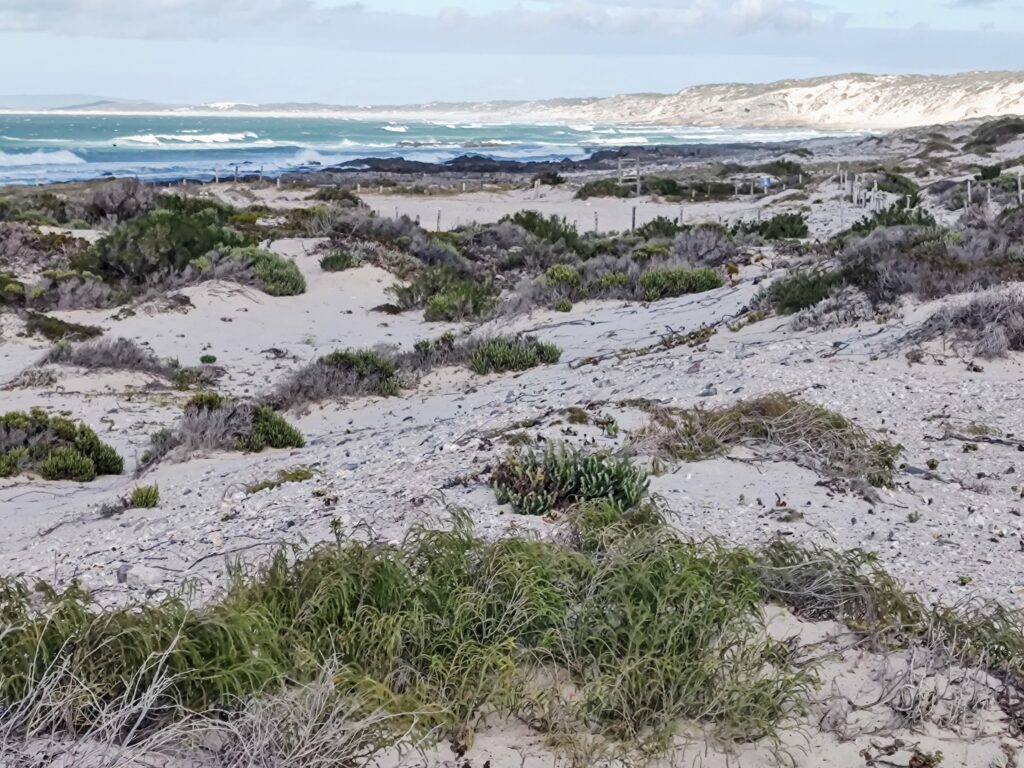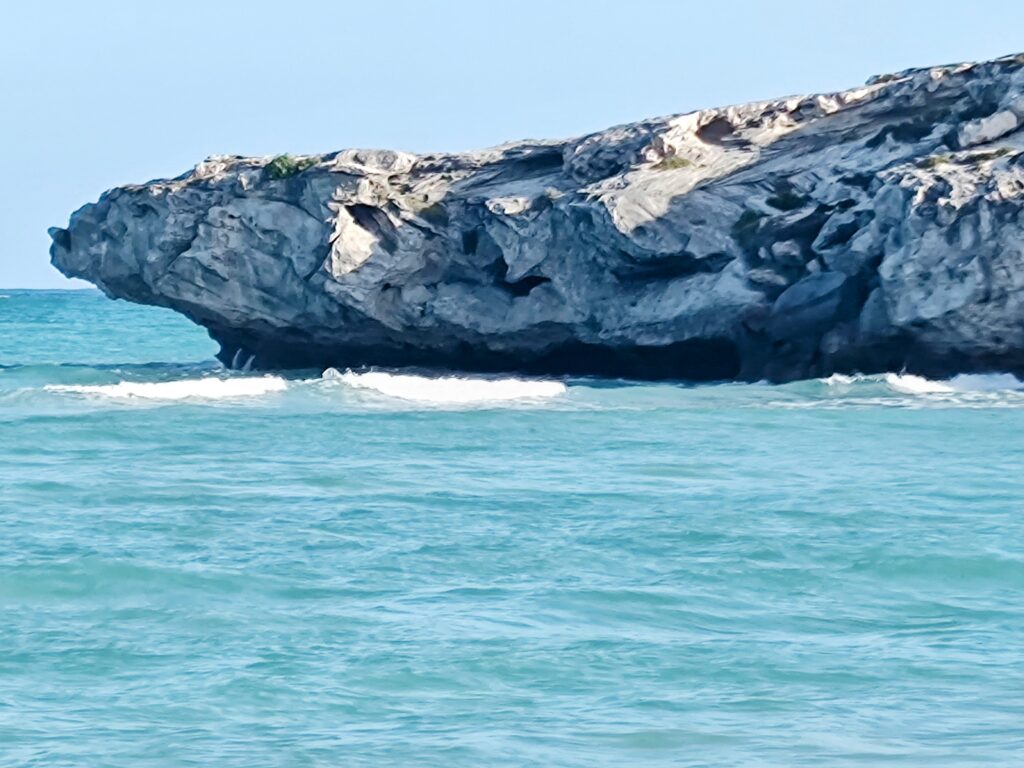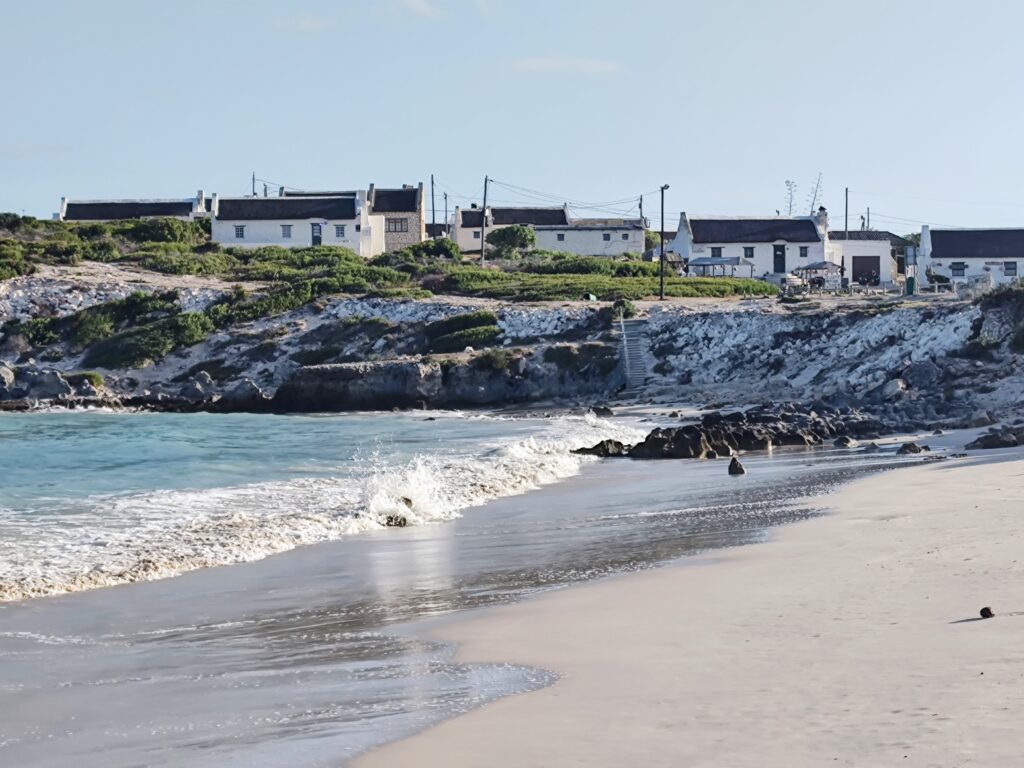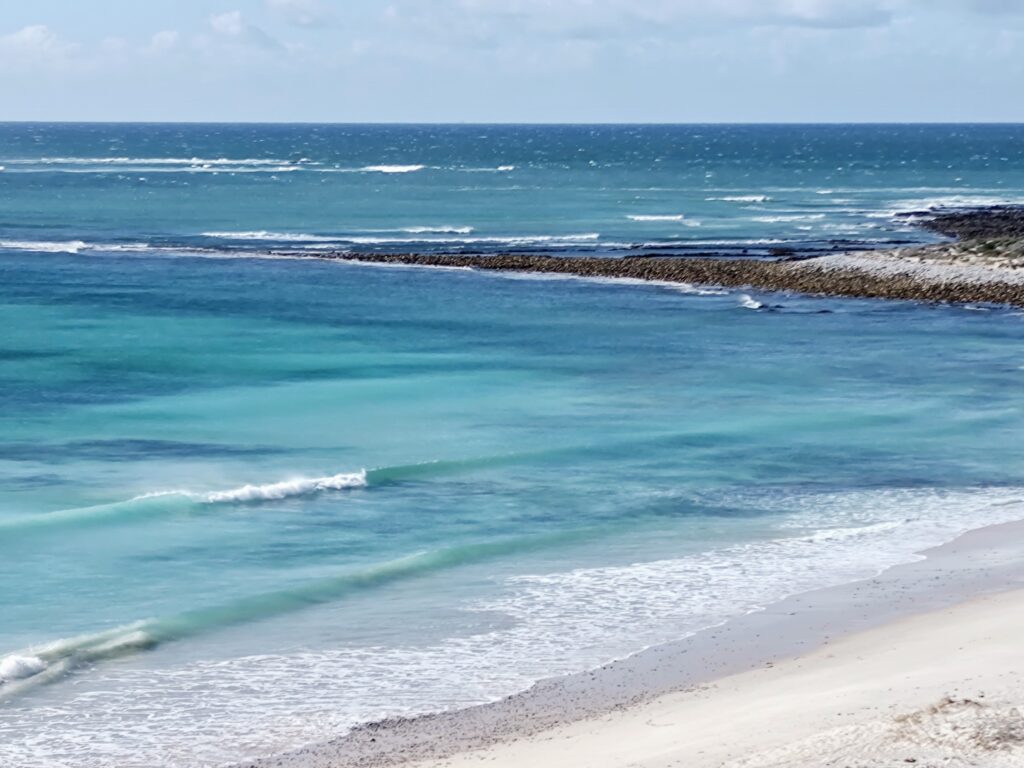
White dunes and turquoise sea, bright-colored fishing boats and white-washed cottages, a coastline peppered with shipwrecks, a sleepy village with two names. That is Arniston.
Originally called Waenhuiskrans, Arniston in the Cape Overberg was later named after a British transport ship that wrecked here in 1815. Somehow both names seem to have stuck and are still used today, so it’s the only South African town that has two official names. A monument overlooking the beach in front of the Arniston Hotel commemorates some of those who died in the shipwreck; another can be found 3km further northwest, where the remains of the wreck still lie buried under the sea.
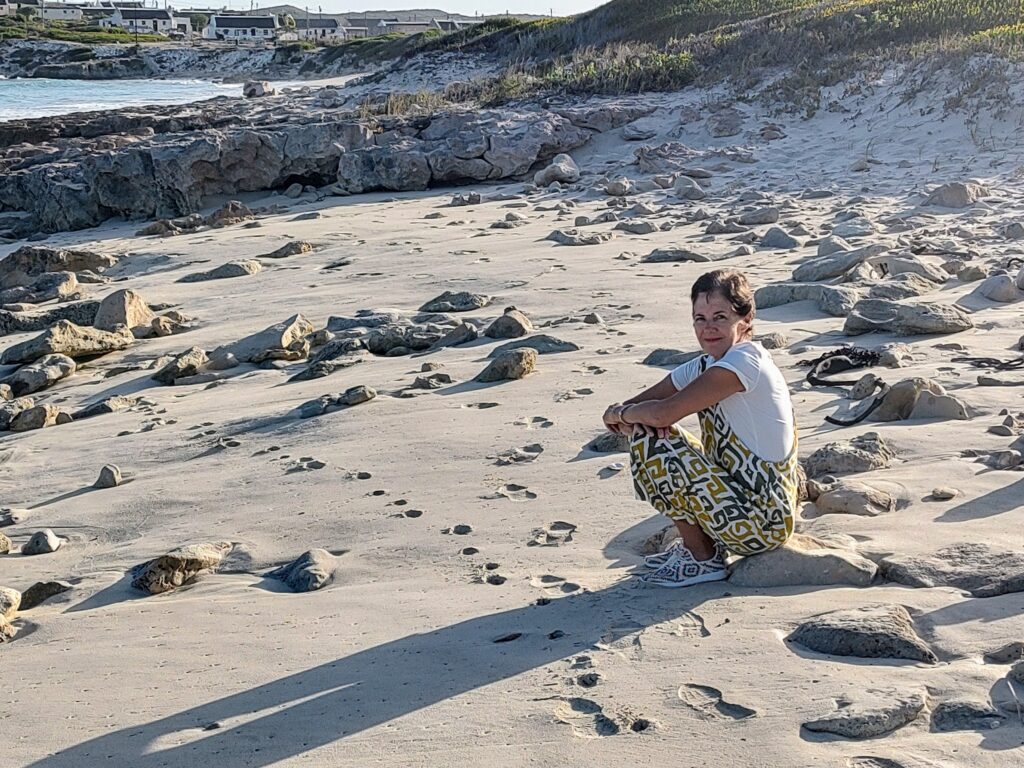
You’ll find a tight-knit village of fishermen’s cottages and holiday homes overlooking the ocean, all faintly reminiscent of Greece in the quality of the light, and the chilled mood. Even the changing color of the sea will get you scrabbling to remember descriptive words like aquamarine, azure and cerulean.
Whales come to the ocean around Arniston each year from from May to November. Southern Right whales come from Antarctica to Southern African waters to breed, so you may see calves too. Other whales that occur in the area include Bryde’s and True’s Beaked whales.
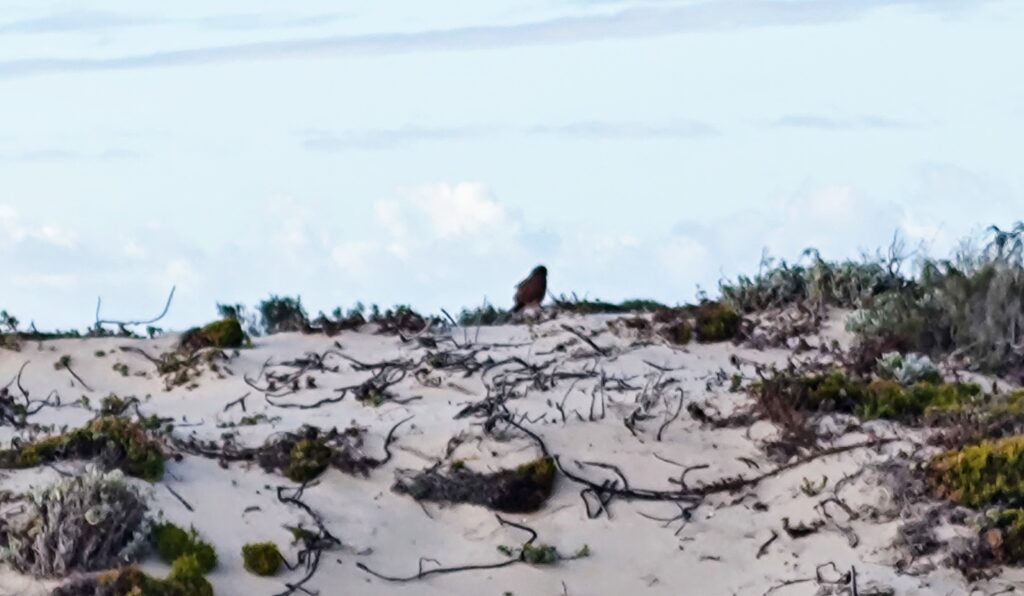
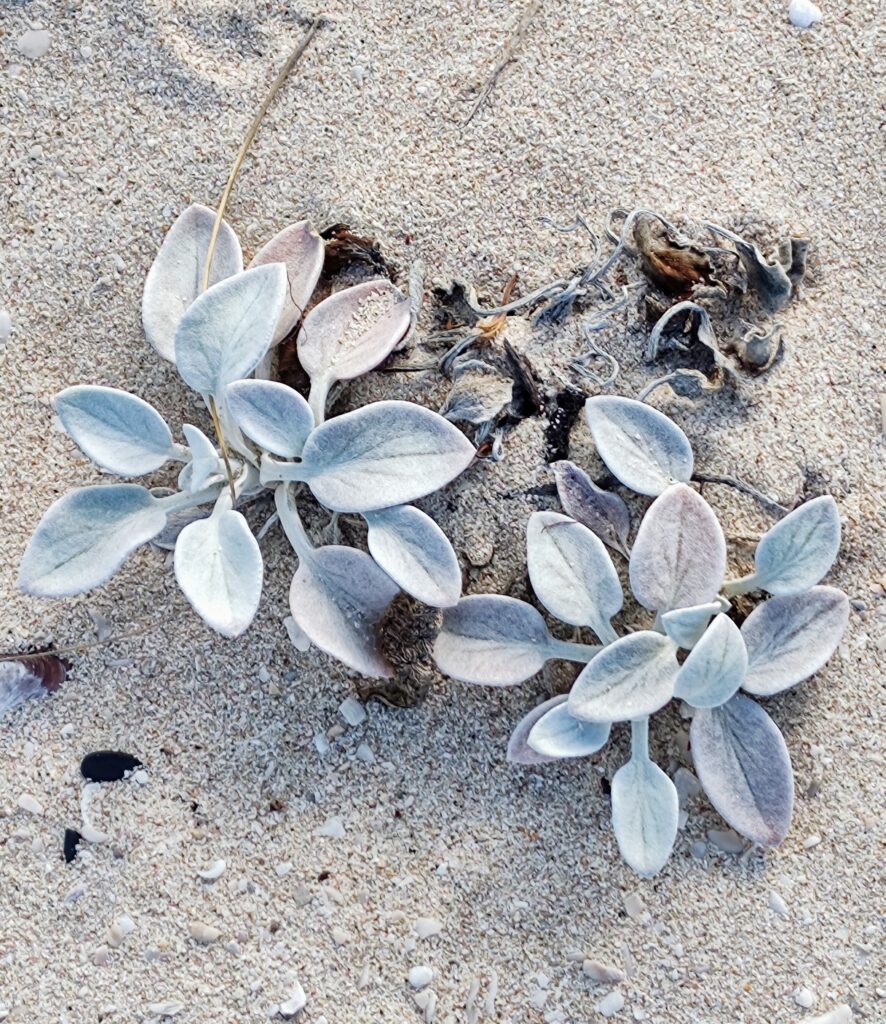
Or explore the creamy white dunes around Arniston. Climb to the top of a high dune to get wonderful views out to sea, then dune-surf down. Pack your hat and sunscreen for a day on the beach. Roman Beach in the Waenhuiskrans Nature Reserve is by far the most popular hangout on hot summer days in Arniston, a place for early morning beach walks, lazing under a beach umbrella, building sand castles, swimming or even body boarding and surfing.
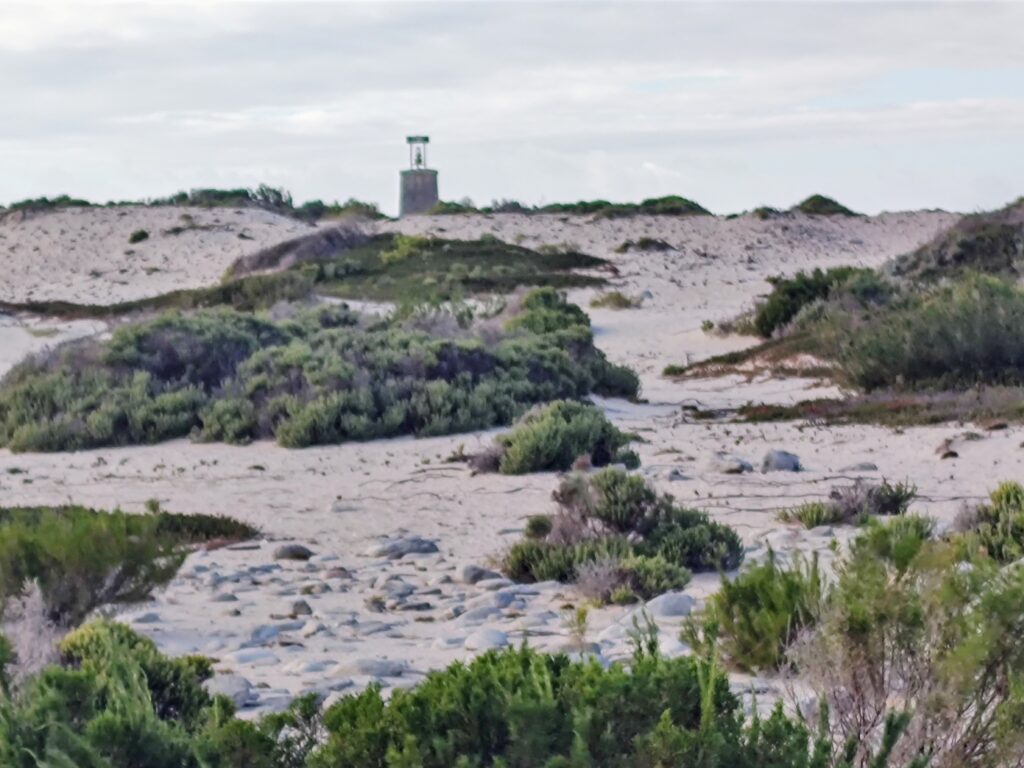
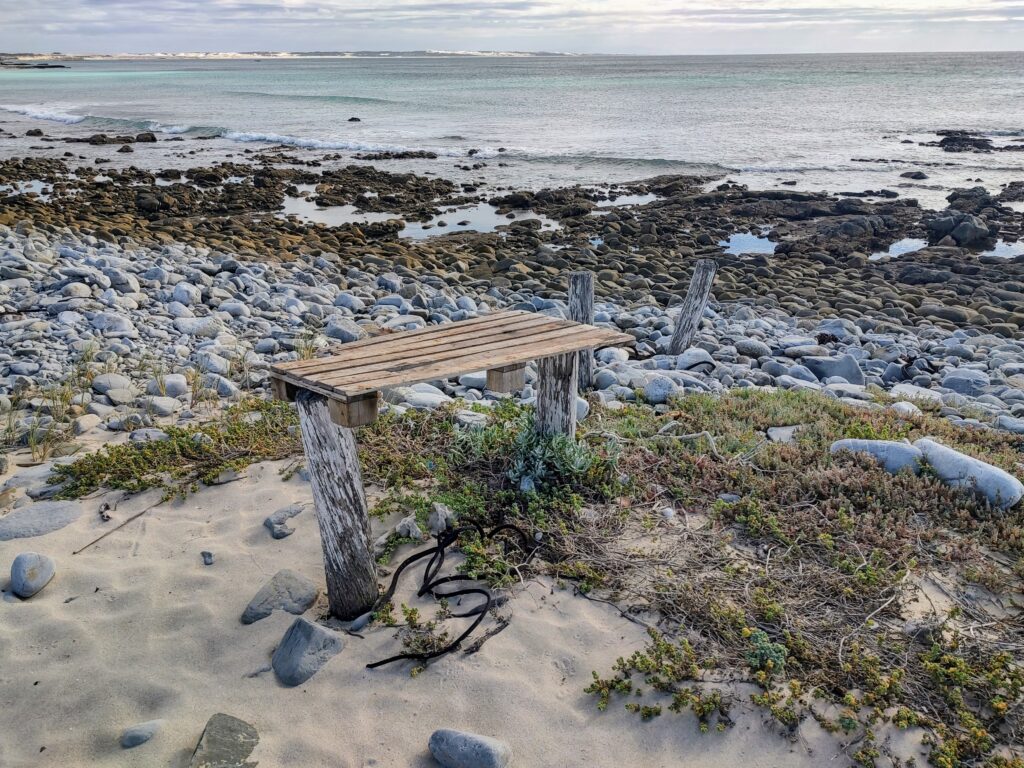
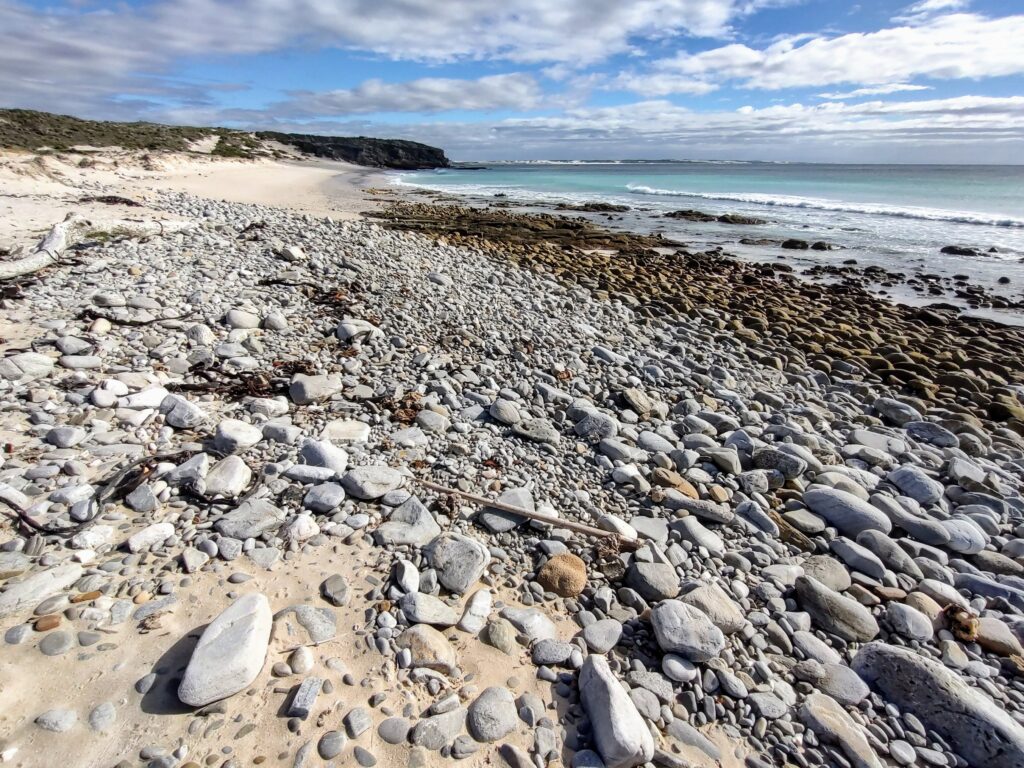
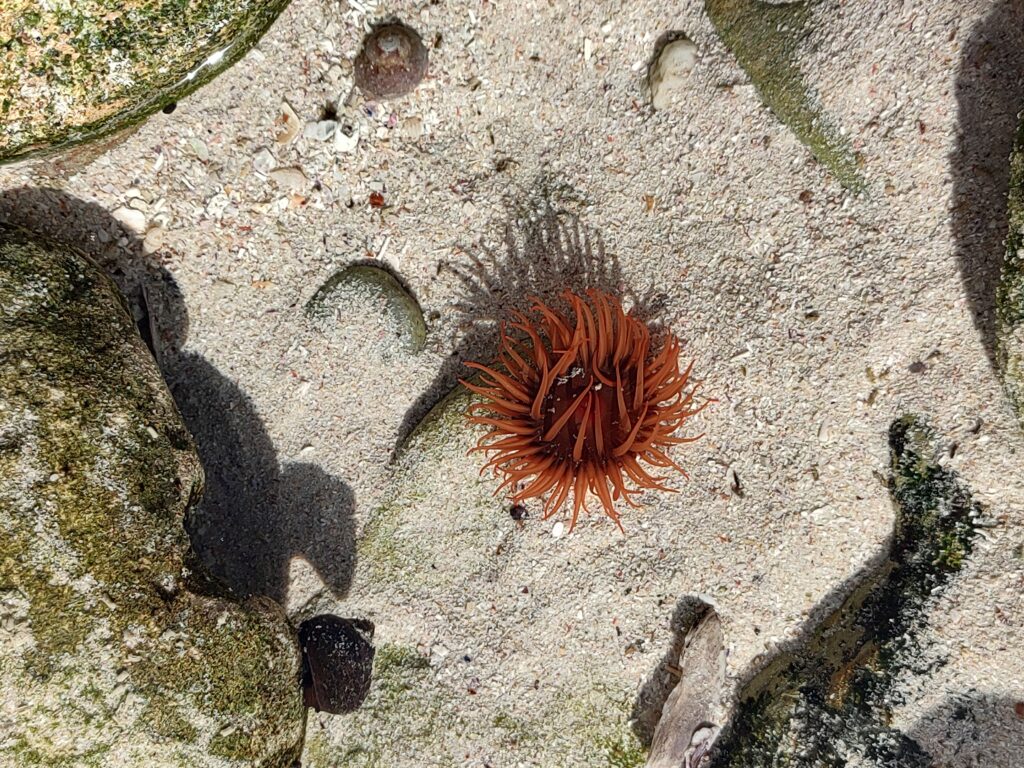
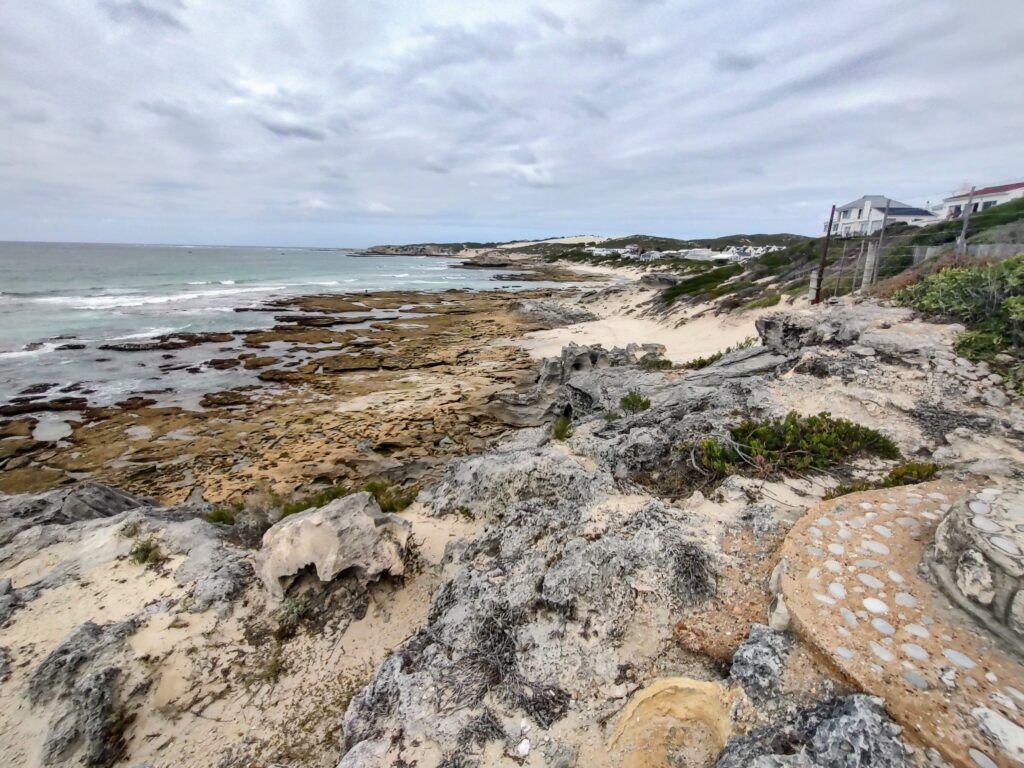
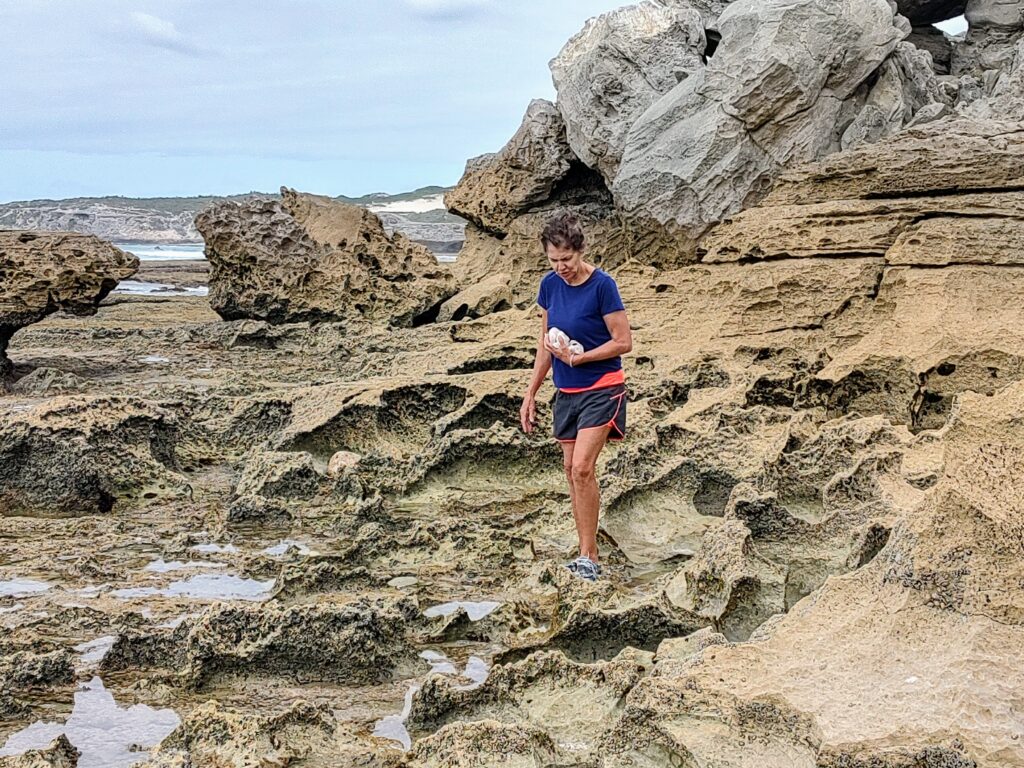
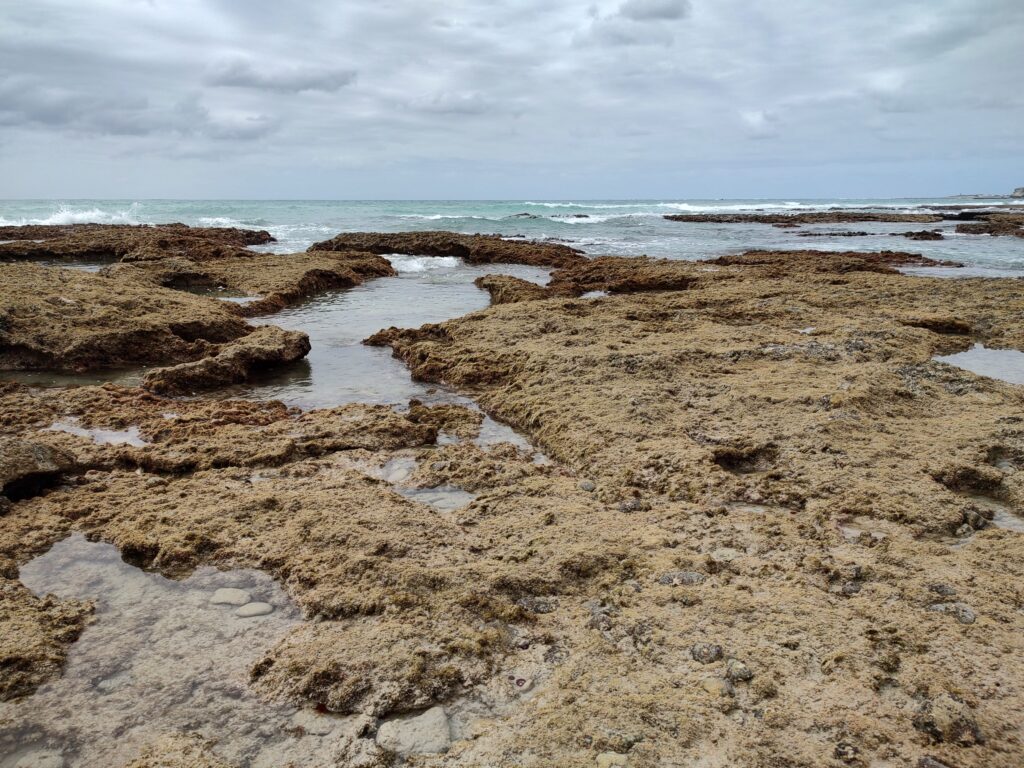
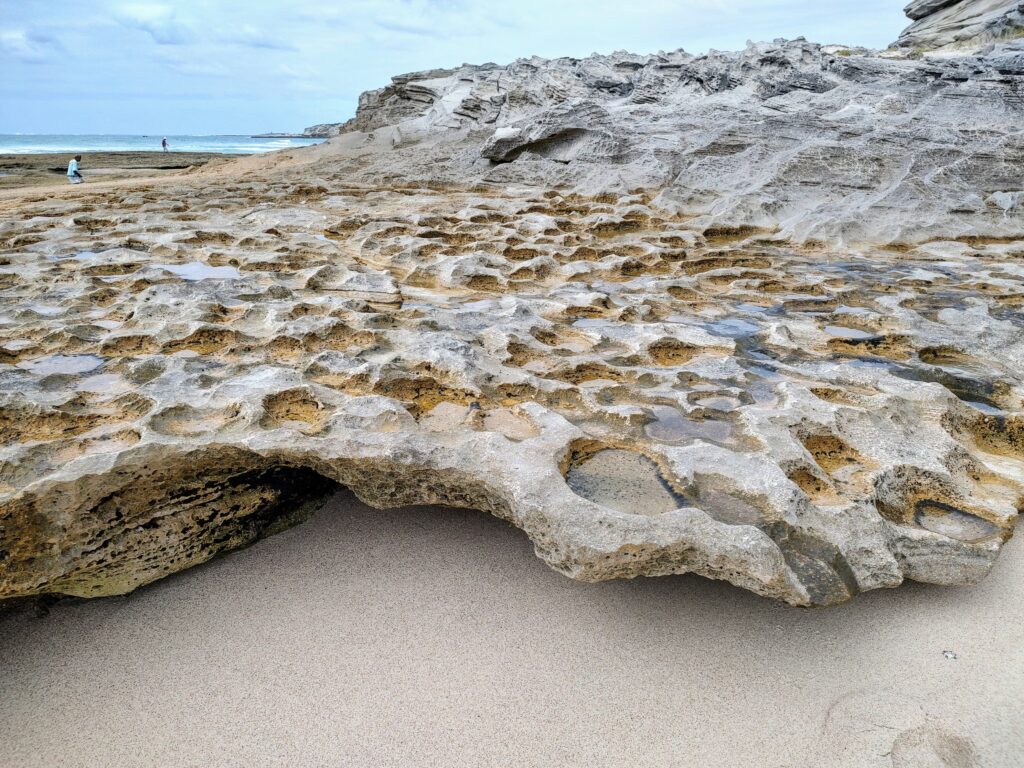
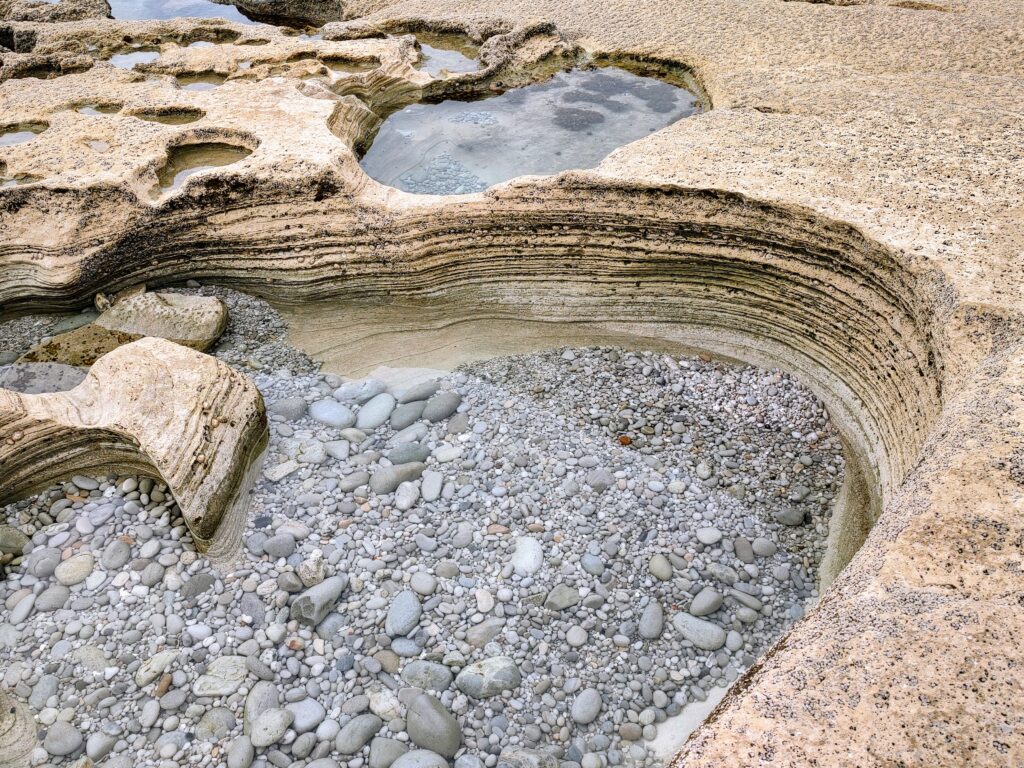
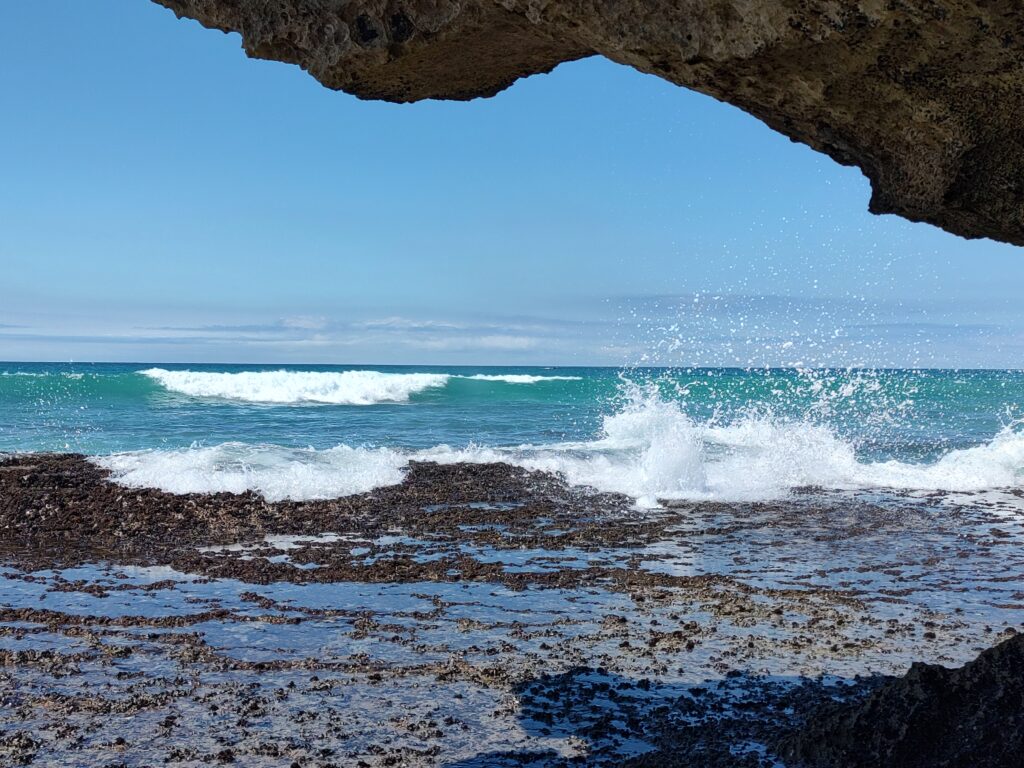
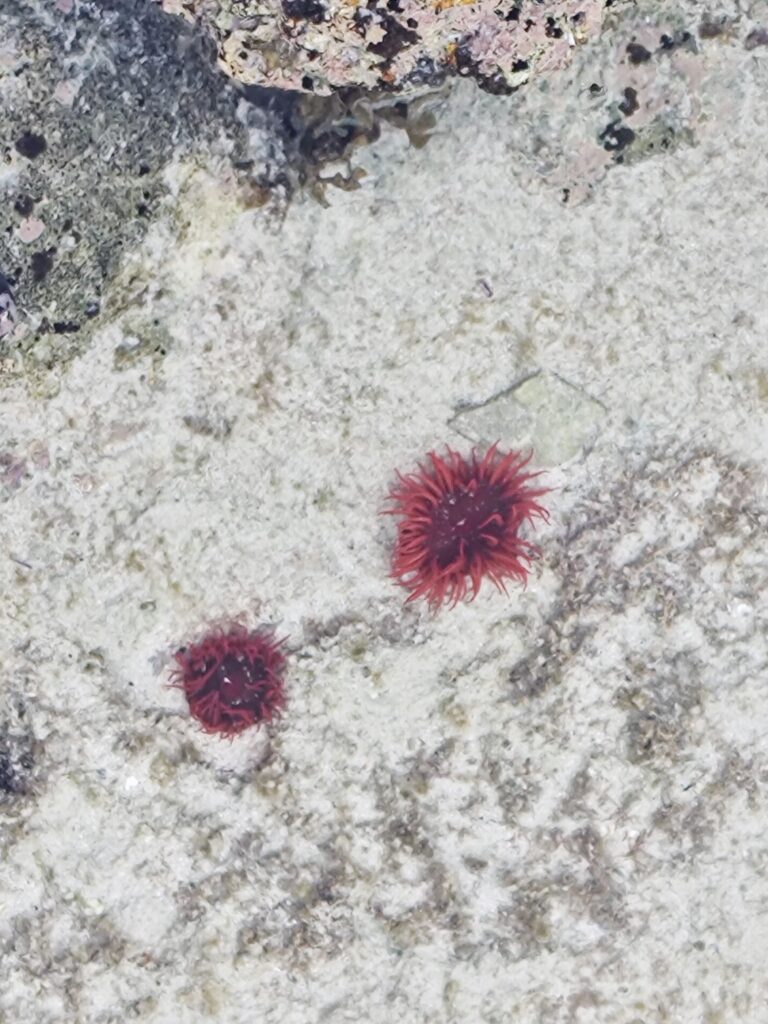
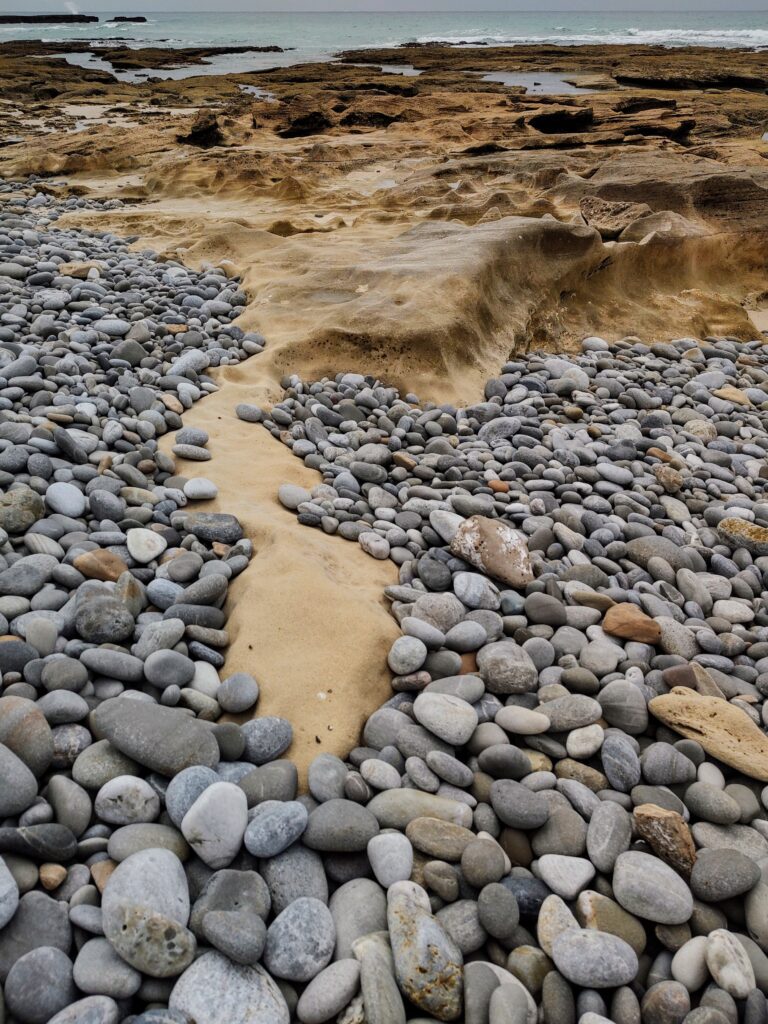
We walked along the coast near Baken (Beacon) at low tide and saw the ancient fish traps that were first used in the Late Stone Age. Basically rocky pools. The idea was that fish would swim in at high tide when the water covered the traps. Then when the tide went out, the fish would be stranded in the rock pools and could be plucked out for dinner.
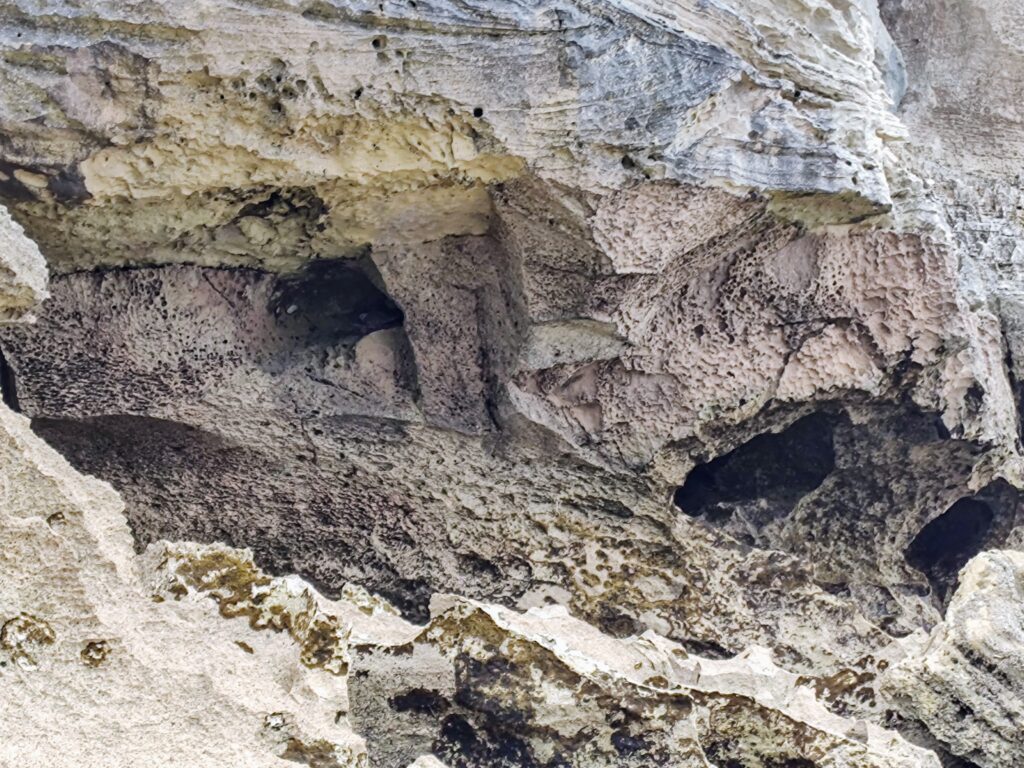
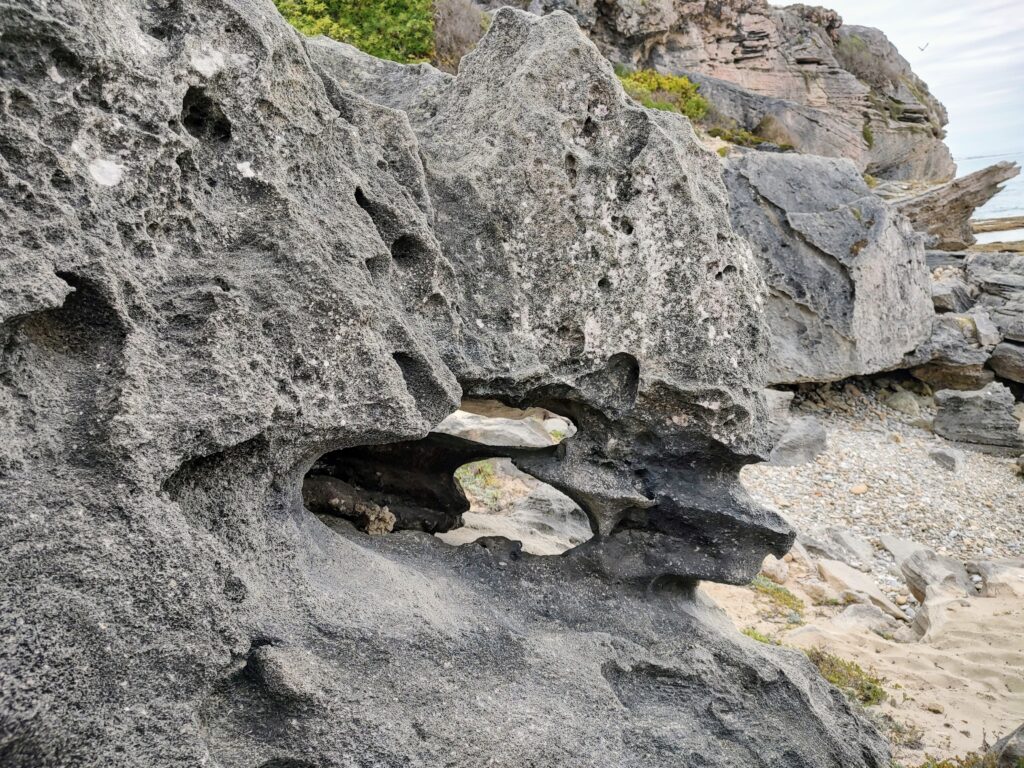
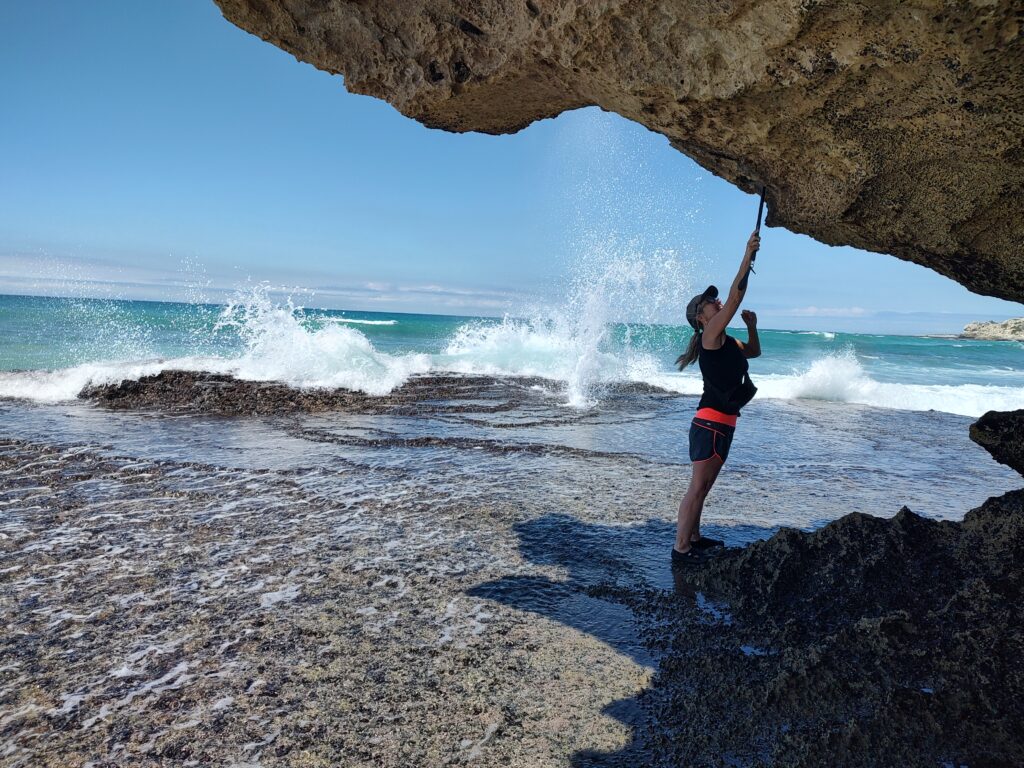
Just this walk with slow-eroding caves forming in the sandstone and glistering pools among the rocks, is worth more serenity that any other place we have been to.